
Ribera del Duero: The Definitive Guide to Spain’s Finest Wines for Long-Term Ageing
Ribera del Duero has become one of the most respected fine-wine regions in the world, not because it chases fashion, but because it produces wines with structure, depth, and an extraordinary capacity to improve with time. Over the past fifty years, the region has evolved from relative obscurity into a benchmark for powerful yet refined Tempranillo-based wines that rival the world’s great age-worthy reds.
This is a region defined by extremes: scorching summer days, freezing winters, high altitude, poor soils, and old vines. These conditions are not forgiving, but they reward patience. When matched with meticulous viticulture and thoughtful élevage, Ribera del Duero produces wines that are not merely enjoyable young, but transformative with age.
This guide explores why Ribera del Duero ages so well, which vineyards and producers matter most, the specific wines built for long-term maturation, how value has evolved over time, and what ageing truly gives back to the drinker.
The Evolution of Ribera del Duero
Although vineyards have existed along the Duero River for centuries, Ribera del Duero’s modern identity is relatively young. For much of the 20th century, the region was largely rural and underdeveloped, producing wines primarily for local consumption. That changed dramatically in the late 20th century.
The establishment of the Ribera del Duero Denominación de Origen in 1982 marked a turning point. Investment flowed in, vineyard practices improved, yields were controlled, and a new generation of producers began focusing on quality rather than quantity. Crucially, several visionary estates demonstrated that Tempranillo grown at high altitude could produce wines of remarkable longevity.
Over the next decades, Ribera del Duero developed its own identity — distinct from Rioja — defined by darker fruit, firmer tannins, higher alcohol, and a more muscular structure. While early success was driven by a handful of iconic names, today the region boasts a deep bench of producers crafting wines designed explicitly to mature over time.
Why Ribera del Duero Wines Age Exceptionally Well
At the heart of Ribera del Duero’s ageing potential is Tempranillo, locally known as Tinto Fino. In this environment, the grape develops thick skins, deep colour, and robust tannins — all essential components for longevity.
Several factors combine to create wines built for ageing:
High Altitude
Vineyards often sit between 750 and 1,000 meters above sea level. The dramatic difference between daytime and night-time temperatures preserves acidity while allowing full phenolic ripeness. This balance is critical for long-term ageing.
Poor, Diverse Soils
Clay-limestone, chalk, sand, and gravel soils force vines to struggle, producing lower yields and more concentrated fruit. Many top wines come from single parcels with distinctive soil signatures that emerge more clearly with age.
Old Vines
A significant proportion of Ribera’s finest wines come from vines 40, 60, even 100 years old. These vines produce fewer grapes, but with extraordinary depth and complexity — a foundation for long ageing.
Winemaking Philosophy
Top producers use oak not to dominate, but to frame the wine’s structure. Long élevage, careful extraction, and restrained use of new wood allow wines to evolve rather than collapse with time.
Understanding Ribera del Duero Ageing Styles
While Spain’s traditional classifications — Crianza, Reserva, and Gran Reserva — still exist, Ribera del Duero is increasingly defined by vineyard-driven wines rather than labels alone.
-
Crianza wines often benefit from short- to medium-term ageing (3–7 years).
-
Reserva wines typically mature beautifully over 8–15 years.
-
Gran Reserva and top single-vineyard wines are built for decades, not years.
Many of the region’s greatest wines sit outside formal classifications altogether, released when the producer believes they are ready, not when regulations dictate.
The Greatest Producers and Vineyards of Ribera del Duero
Vega Sicilia – The Benchmark
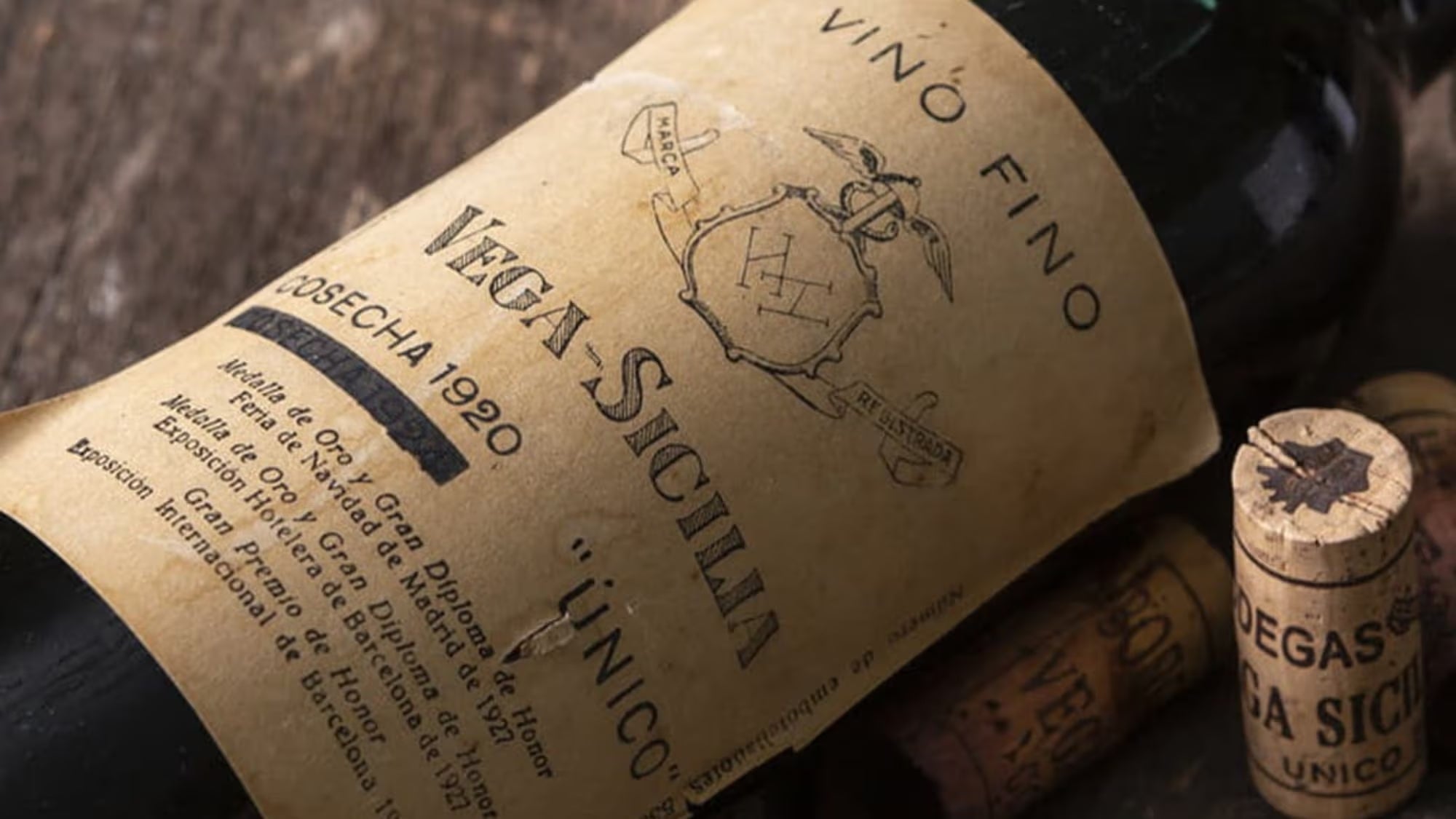
No estate defines Ribera del Duero more than Vega Sicilia. Founded in the 19th century, it established the region’s global reputation and remains its reference point for longevity.
Único is one of the most age-worthy wines in the world. It is released only after extensive ageing in oak and bottle, yet continues to evolve for decades beyond release. In youth, it is powerful and tightly structured; with age, it becomes layered, refined, and hauntingly complex.
Valbuena offers a slightly more accessible expression while retaining the capacity for long ageing. Both wines are prized not only for their drinking pleasure, but for their consistency and collectability.
With time, Vega Sicilia wines develop notes of tobacco, leather, forest floor, dried herbs, and spice, while retaining freshness and balance — the hallmark of truly great ageing wines.
Dominio de Pingus – Modern Cult Icon
Founded in the 1990s, Dominio de Pingus rewrote the rules for Ribera del Duero. Tiny production, old vines, and obsessive attention to detail have made Pingus one of the most sought-after wines in Spain.
Pingus itself is intensely concentrated, structured, and built for long ageing. Despite its power, it is remarkably precise, and with time evolves toward mineral complexity, savory depth, and aromatic nuance.
Flor de Pingus, while more approachable, also benefits significantly from bottle age, gaining harmony and secondary complexity after a decade or more.
These wines demonstrate how modern techniques, when applied with restraint, can produce wines that age as gracefully as the region’s most traditional icons.
Pago de Carraovejas – Power with Precision
Pago de Carraovejas has become one of Ribera del Duero’s most consistent high-quality producers. Its wines combine richness with freshness, making them particularly rewarding to age.
El Anejón, sourced from a single vineyard, stands out as a wine built for long-term cellaring. With age, its dense fruit integrates with oak and acidity, revealing spice, mineral, and savory notes that are hidden in youth.
Chateau Pesquera – Passion and Persistence
Château Pesquera, founded by Alejandro Fernández, is one of the estates that defined Ribera del Duero’s modern identity and its reputation for age-worthy wines. From old Tempranillo vines planted on the high plateau, Pesquera produces structured, deeply concentrated reds with firm tannins and natural acidity.
In youth, the wines show ripe dark fruit, spice, and oak, often with considerable power. With time in bottle, they soften and gain complexity, developing notes of leather, tobacco, dried herbs, and earth. Well-cellared Pesquera Reservas and Gran Reservas can evolve beautifully for 15 to 25 years.
Félix Callejo – Terroir and Longevity
Félix Callejo has quietly built a reputation for producing structured, elegant wines that age exceptionally well. The estate’s focus on old vines and careful oak use results in wines that improve steadily over time.
Single-vineyard bottlings in particular show how Ribera del Duero’s soils and altitude express themselves more clearly after years in bottle.
Valdériz – Old Vines, Serious Ageing
Valdériz is renowned for its ancient vineyards and traditional approach. Wines like Valdériz Juegabolos are dense, structured, and unapologetically built for ageing.
These wines can be austere in youth but reward patience with profound complexity, developing earthy, spicy, and mineral character that defines mature Ribera del Duero.
Vivaltus – Modern Elegance
Vivaltus represents a modern interpretation of Ribera del Duero, focusing on balance, purity, and precision. Despite their polish, these wines possess the structure necessary for long ageing.
With time, Vivaltus wines gain aromatic complexity and textural finesse, proving that refinement and longevity are not mutually exclusive.
Conde de San Cristóbal – Value and Ageing Potential
Often overlooked by collectors, Conde de San Cristóbal produces high-altitude wines that punch well above their weight. Wines like OYDOR and Reserva Especial offer excellent ageing potential at comparatively accessible prices.
With cellaring, these wines evolve from bold, fruit-driven profiles into more nuanced, savory expressions — making them ideal for long-term enthusiasts rather than short-term consumption.
Smaller Estates Worth Watching
Producers such as Bosque de Matasnos, Sei Solo, and Valdemonjas produce limited quantities of terroir-driven wines that reward ageing. Their scarcity and quality make them increasingly attractive to collectors seeking the next generation of Ribera classics.
How Ribera del Duero Wines Improve with Age
Ageing transforms Ribera del Duero wines in several profound ways:
Tannin Integration
Young wines can be powerful and assertive. Over time, tannins soften and knit together, creating a smoother, more harmonious mouthfeel.
Aromatic Evolution
Primary fruit gives way to secondary and tertiary aromas — leather, dried flowers, spice, earth, tobacco, and truffle.
Greater Complexity
Age reveals layers that are impossible to detect in youth. Mature Ribera wines often change dramatically over hours in the glass.
Expression of Place
With time, oak fades into the background, allowing vineyard character and soil influence to emerge more clearly.
Value Evolution and Collectability
Ribera del Duero has undergone a dramatic shift in global perception. Once seen as a regional alternative to Rioja, it is now firmly established as a fine-wine region with genuine investment-grade bottles.
Iconic wines such as Vega Sicilia Único and Pingus have seen steady appreciation over time, driven by limited supply and growing international demand. At the same time, a broader group of producers has gained recognition, lifting the value of well-cellared bottles across the region.
While not every Ribera del Duero wine is an investment, those from top producers, exceptional vintages, and old vines increasingly command respect — and higher prices — as they mature.
How to Successfully Age Ribera del Duero
To unlock the full potential of these wines:
-
Store bottles at a stable temperature around 12–14°C in a wine maturation cabinet
-
Maintain moderate humidity to protect corks
-
Keep wines away from light and vibration
-
Lay bottles horizontally
-
Be patient — many wines only begin to shine after 10–15 years
Tracking your bottles and tasting periodically allows you to understand how each wine evolves and when it reaches its ideal drinking window.
Conclusion
Ribera del Duero is one of the world’s great regions for long-term ageing. Its combination of high-altitude vineyards, old vines, powerful Tempranillo, and increasingly sophisticated winemaking produces wines that not only endure time, but are transformed by it.
From the legendary depth of Vega Sicilia to the intensity of Pingus, the precision of Vivaltus, and the value offered by estates like Conde de San Cristóbal, Ribera del Duero offers an extraordinary range of wines built to mature and improve.
For collectors and enthusiasts willing to wait, few regions reward patience more generously. If you cellar Ribera del Duero well — and give it time — the payoff is profound.