
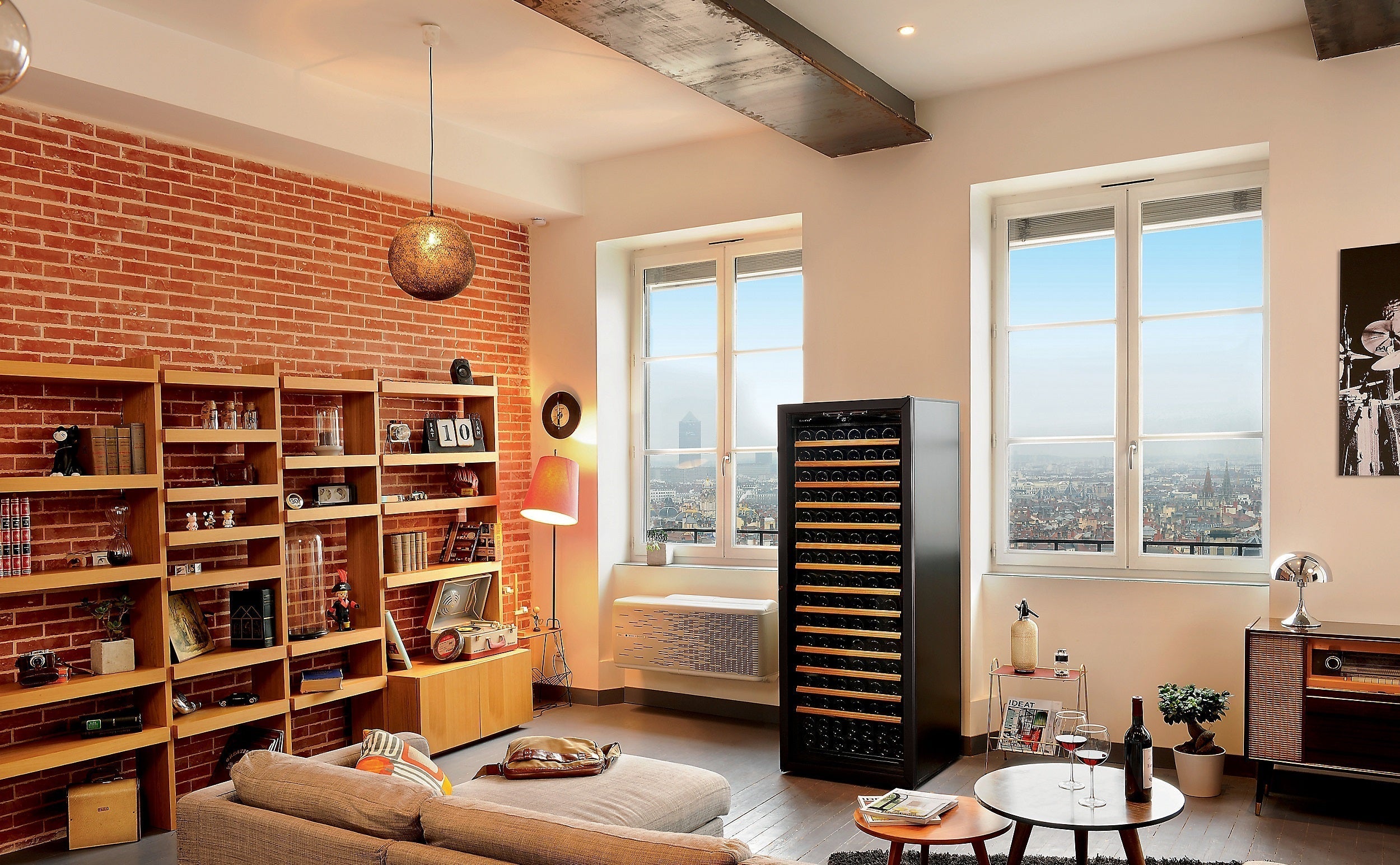
One of the most common questions we get when customers visit our showroom is 'Why are some wine fridges so much more expensive than others"? In this blog post we will attempt to quantify the differences and how they add to the cost of a wine fridge.
If you’ve ever compared wine fridges and wondered why prices range from a few hundred to several thousand pounds, the answer lies in the details. At a glance, most units promise to keep bottles cool—but the real cost drivers are the technologies, materials, and internal components that protect wine properly over time. A wine fridge isn’t just a cooler; it’s a controlled environment, and every layer of control adds complexity, which is ultimately reflected in the price.
Start with temperature control, the foundation of any wine fridge. Entry-level models typically offer a single cooling zone, which is fine if you only store one type of wine. However, as soon as you move into dual-zone or even triple-zone systems, the cost increases. Maintaining different temperatures in separate compartments requires more advanced sensors, insulation, and airflow engineering. Precision also matters: cheaper units may fluctuate by a few degrees, whereas premium models maintain a very tight range. That level of accuracy is essential for ageing wine and can add roughly 10–20% to the overall cost.
Closely tied to temperature is the cooling system itself. Basic fridges often rely on thermoelectric cooling, which is quieter and cheaper but less powerful and less consistent, particularly in warmer environments. More expensive wine fridges use compressor-based systems, often with inverter technology. These systems are more stable, more energy-efficient, and better suited to long-term storage—but they can increase costs by approximately 15–25%. Add in vibration reduction (important because constant vibration can disturb sediment in wine), and you are firmly in premium territory.
Another major factor is the number and quality of temperature zones. A single-zone fridge is straightforward: one compartment, one climate. Dual-zone models allow you to store reds and whites at different temperatures, increasing versatility but also complexity. High-end units may include fully independent zones with separate fans and airflow channels. Each additional zone can increase on the cost by around 5-10%, depending on how independently the zones are controlled.
One of the most overlooked—but significant—cost drivers is the shelving system. The number of shelves, the quality of the wood, and whether they run on rails can dramatically affect both price and user experience. Entry-level wine fridges usually include fixed wire racks, which are inexpensive but less flexible and more prone to vibration. Upgrading to wooden shelves alone can increase costs by 10–20%, as wood is better at dampening vibrations and protecting labels. The number of shelves also matters: more shelves require stronger internal construction and more precise airflow design, adding another 10–15% in cost.
Wood quality introduces another layer. Mid-range units often use beech wood, while premium models may use Sapele or mahogany, which are denser, more durable, and more resistant to humidity changes. This upgrade alone can raise the price by 15–25%, particularly in high-end, design-led wine fridges. On top of that, shelves mounted on telescopic rails—allowing smooth, full-extension access—add convenience but also complexity. Rail systems can contribute an additional 5–10% to the overall price, especially when soft-close mechanisms or reinforced runners are included. Altogether, shelving design can account for 20–40% of the price difference between a basic and a premium wine fridge.
Materials and overall build quality also play a central role. The difference between a basic painted metal unit and a premium stainless steel or glass-finished appliance is considerable. Panel-ready models designed to integrate seamlessly into kitchen cabinetry require precise engineering and bespoke finishes, which increase production costs. Even small details, such as the thickness of insulation or the quality of internal linings, contribute to both performance and price.
The door is another important component. Standard wine fridges may use simple tempered glass, but higher-end models feature UV-resistant, double- or triple-glazed doors filled with inert gas. These improve insulation and protect wine from harmful light exposure. Better sealing and thicker glass also help maintain stable internal conditions. These upgrades can increase costs by approximately 10–15%, but they are crucial for long-term storage.
Lighting is often overlooked, yet it is another differentiator. Basic models use simple white LEDs, while premium fridges offer multi-colour ambient lighting with adjustable intensity. Beyond aesthetics, high-quality lighting systems are designed to emit minimal heat and no UV radiation. While lighting alone may only add around 5% to the cost, it contributes to both usability and presentation.
Noise level is another area where you tend to get what you pay for. Cheaper units can be noticeably louder, especially those with less refined compressors or fans. Higher-end wine fridges invest in low-noise fan systems, better insulation, and vibration-dampening components to keep operation quiet—often below 40 dB. Achieving this level of silence can increase costs by 5–10%, but it makes a significant difference in open-plan living spaces.
Energy efficiency also influences price. Since wine fridges run continuously, efficient operation matters. Models with better insulation, smarter compressors, and optimised airflow consume less power but are more expensive upfront. Improved energy efficiency can add roughly 5–15% to the purchase price, although it often pays off over time through lower energy bills.
Humidity control is another feature that separates basic from advanced models. Wine should ideally be stored at 50–70% humidity to prevent corks from drying out. Entry-level fridges often lack this entirely, while mid- to high-end units include humidity management systems and active carbon filters to maintain air quality. These features can add 10–15% to the cost, but they are essential for proper long-term storage.
User interface and smart features are another layer. Basic fridges might have mechanical controls, whereas more advanced ones include digital displays, touch controls, temperature memory functions, and alarms for open doors or temperature fluctuations. Some even offer app connectivity. Depending on the level of technology, these features can increase costs by 5–15%.
Capacity and size naturally affect price as well. Larger units require more materials, more powerful cooling systems, and more robust internal structures. However, capacity is not just about how many bottles fit—it is about how efficiently they are stored and accessed. Premium designs maximise both storage and usability, which increases engineering complexity and cost.
Installation type is another key factor. Freestanding wine fridges are generally more affordable, while built-in or integrated models require front ventilation and more precise construction. Panel-ready options, designed to blend into kitchen cabinetry, are even more specialised. Choosing a built-in model can increase costs by 15–30% compared to a freestanding equivalent.
Brand reputation also plays a role. Established brands with a strong track record in wine storage tend to charge more, but they often deliver better reliability, higher-quality components, and longer warranties. You are not just paying for the product—you are paying for consistency and long-term performance.
Finally, warranty and after-sales service influence cost. A longer warranty, particularly one that includes on-site service, reflects higher manufacturing standards. This can add a small premium—typically 5–10%—but provides peace of mind over the lifespan of the appliance.
In the end, the cost of a wine fridge reflects how well it can create and maintain the ideal environment for wine. Features such as precision temperature control, advanced cooling systems, high-quality shelving, and proper humidity management are not just luxuries—they are what separate a simple drinks cooler from a true wine preservation system. Understanding these cost drivers allows you to make a more informed decision, balancing your budget with the level of protection your wine collection deserves.